
What’s the Deal with Clicking Joints? When to Worry and When to Chill
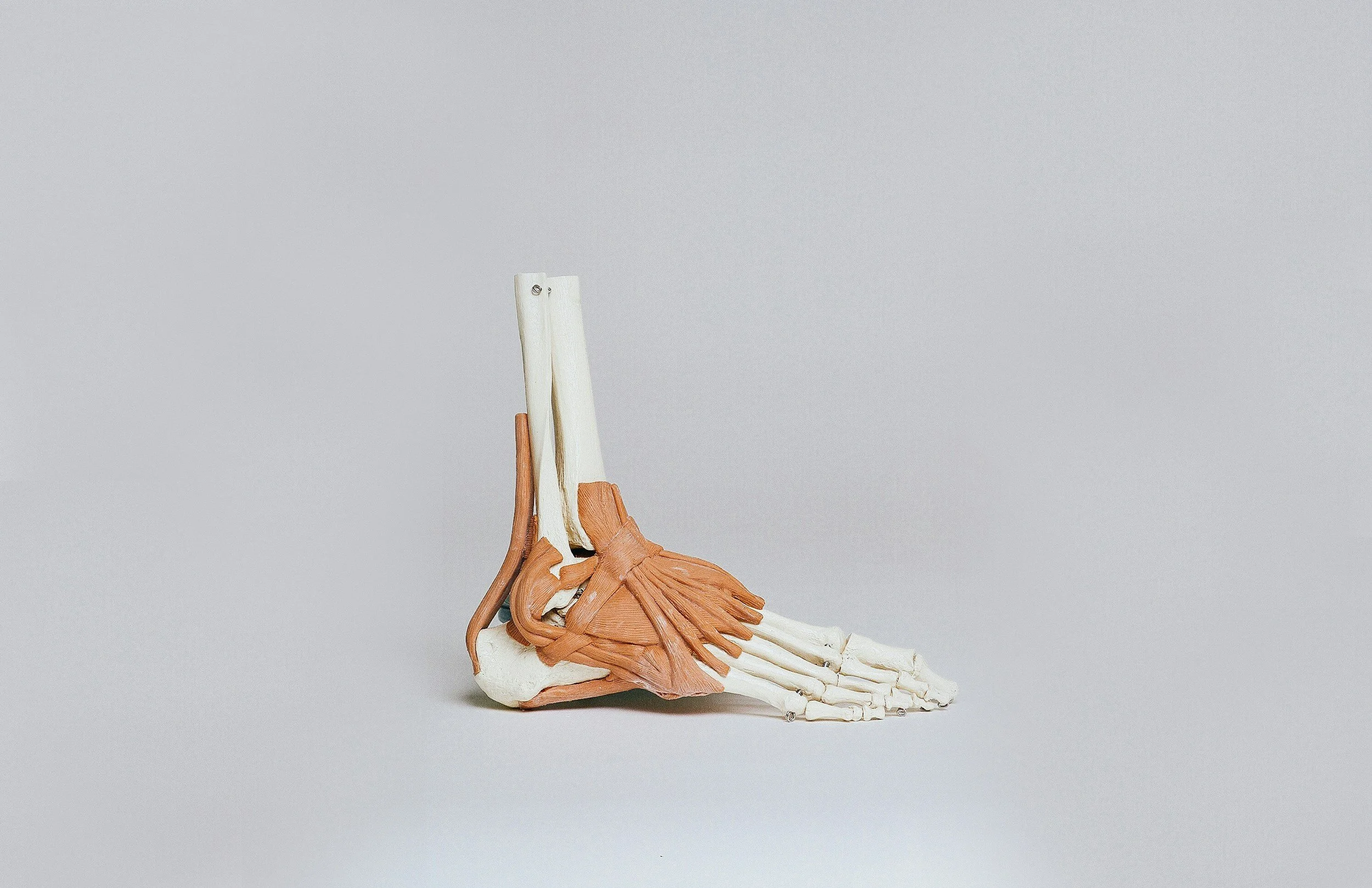
You squat down and click — your knee makes a noise. You roll your shoulder and hear a pop. Your neck sounds like a bowl of Rice Krispies when you stretch. Is your body falling apart?
Good news: probably not.
As a physiotherapist, I get asked about joint sounds all the time, and most of the time, they’re nothing to worry about. So let’s break it down — what’s normal, what might need attention, and when to just carry on clicking.
What Causes Joint Sounds?
Joint noises can come from a few different sources, and not all of them mean something is wrong. Some of the most common causes include:
🫧 Gas bubbles (aka cavitation):
That pop or crack sound when you move a joint (like cracking your knuckles)? That’s usually just gas bubbles releasing in the joint fluid. Totally harmless.
🦴 Tendon or ligament movement:
Sometimes a tendon shifts slightly over a bony surface — especially around the hip, shoulder, or ankle. It can make a snapping or clicking noise. Also normal, especially if it’s not painful.
🦵 Joint mechanics:
Joints like the knee or jaw might make noise when the structures glide or shift, especially after being still for a while or during deep ranges of motion.
When Clicking Is Totally Normal
Joint sounds are often just your body doing its thing. You can probably relax if:
The noise isn’t accompanied by pain or swelling
The joint feels stable and strong
You can move freely without stiffness or restriction
It’s been happening for a while without change
Some people’s bodies are just clickier than others — think of it like having louder knees or more dramatic shoulders.
When to Check In with a Physio
Sometimes, joint sounds can be a signal to take a closer look. Reach out if:
The clicking is painful or feels sharp
You notice swelling, heat, or redness
The joint feels unstable, like it might give out
You’re experiencing locking, catching, or a sensation of “something being stuck”
The noise is new and comes with other symptoms
In these cases, there could be an underlying issue — like joint irritation, cartilage involvement, or a tendon that’s not gliding smoothly.
Can You “Fix” the Clicking?
If the clicking is pain-free, you usually don’t need to fix anything. But if it’s annoying or happening alongside discomfort, physio can help by:
Improving joint mobility and alignment
Addressing muscle imbalances
Modifying movement patterns
Strengthening surrounding muscles for better control
Basically, we figure out why it’s happening — and whether it’s worth doing anything about.
Final Thoughts
Clicking joints are usually normal, especially when there’s no pain or dysfunction. It’s just your body moving, shifting, and sometimes being a little noisy. But if something feels off — trust your gut and get it checked out. We’re here to help you move better, feel stronger, and quiet the clicks if they’re not serving you.
Bri Hicks Physio & Performance is dedicated to providing evidence based physiotherapy care.
Book a Physiotherapy appointment today or reach out if you have any questions.